
Interior and Exterior Designer: In a world where first impressions matter more than ever, the spaces we inhabit play a crucial role in shaping how we live, work, and interact with others. Whether it is a private residence, a commercial building, or a public space, design has the power to influence emotions, productivity, comfort, and even long-term value. This is where the expertise of a good interior and exterior designer becomes indispensable. Far beyond aesthetics, professional designers blend functionality, creativity, technical knowledge, and human psychology to create spaces that are both beautiful and purposeful.
A well-designed environment does not happen by accident. It is the result of careful planning, thoughtful material selection, understanding of spatial dynamics, and a deep awareness of how people experience space. Both interior and exterior designers contribute uniquely to this process, working together to ensure that a building is cohesive, functional, and visually compelling from the inside out.
Understanding the Role of Interior and Exterior Designers
Interior designers focus on the spaces within a structure. Their role involves planning layouts, selecting materials, lighting, furniture, colors, textures, and finishes that align with the client’s needs and lifestyle. A good interior designer considers ergonomics, acoustics, lighting quality, and circulation patterns to ensure comfort and efficiency. Their goal is to create interiors that enhance daily life while reflecting the personality or brand identity of the occupant.
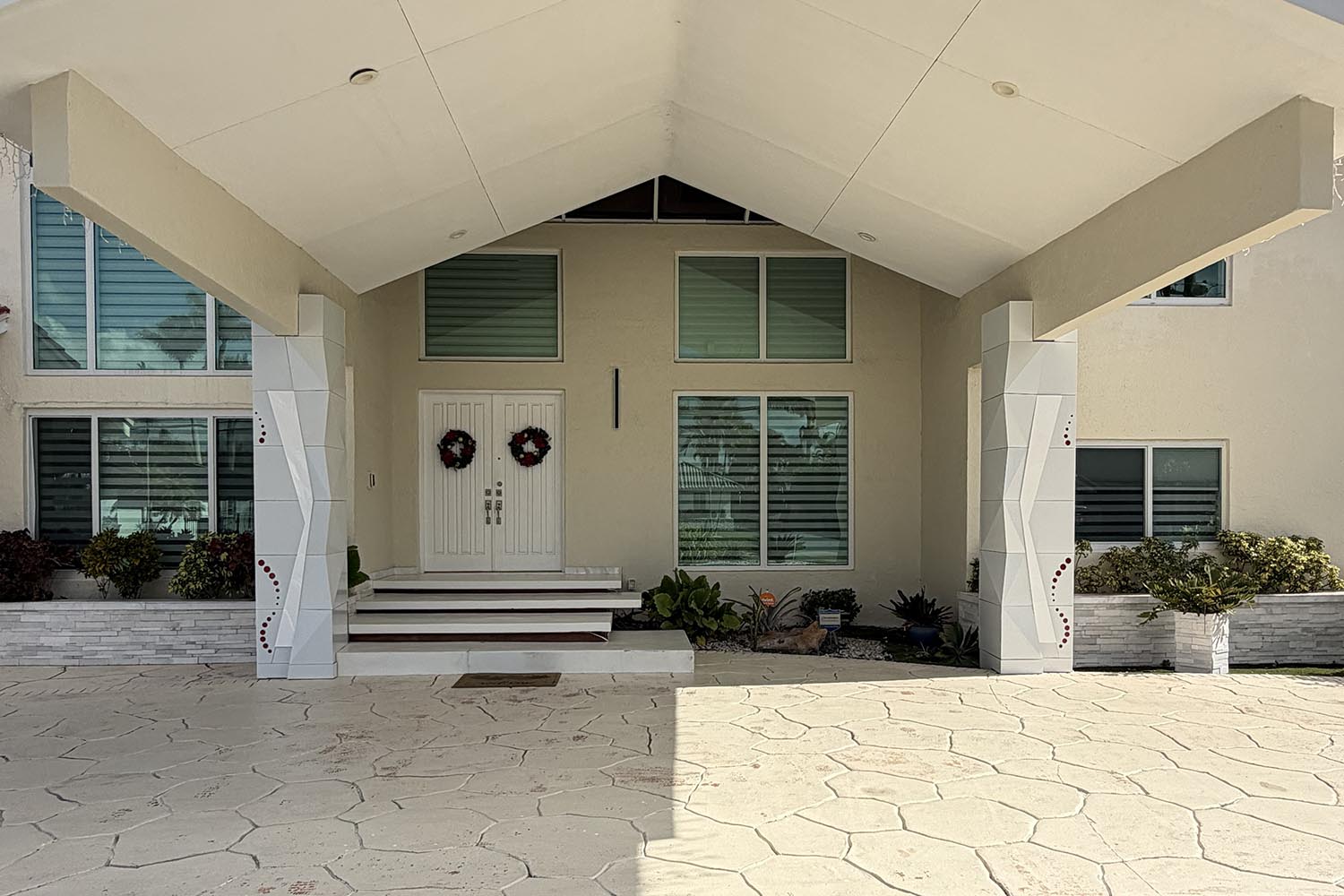
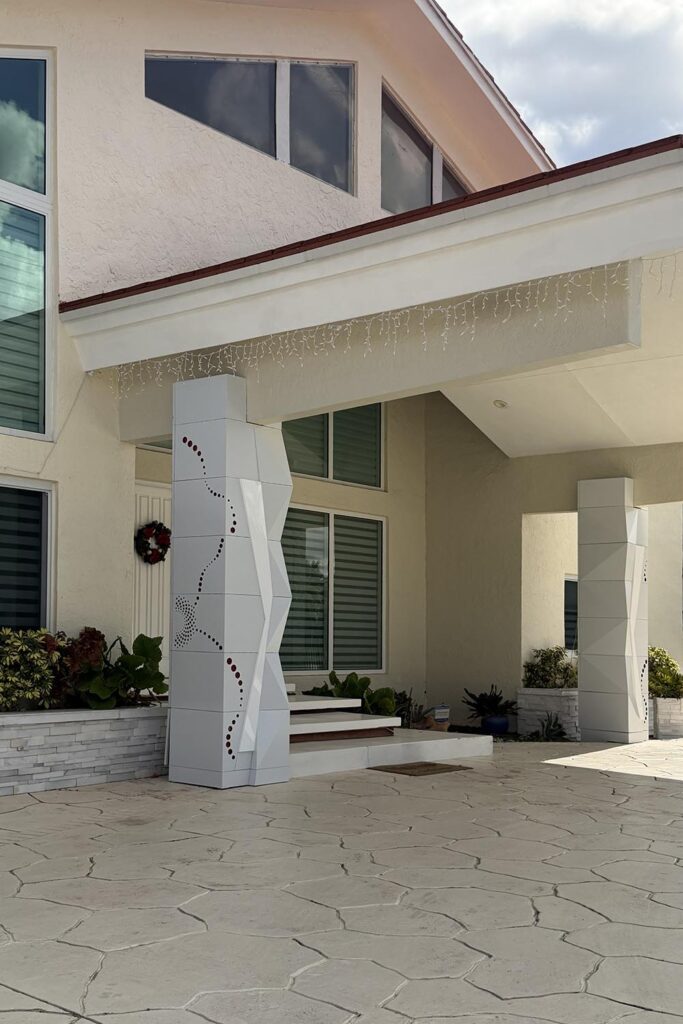
Exterior designers, often working alongside architects and landscape designers, concentrate on the outer appearance of a building and its relationship with the surrounding environment. This includes façades, entrances, outdoor spaces, landscaping, materials, and color palettes. Exterior design sets the tone before anyone steps inside. It communicates character, quality, and purpose while also addressing durability, climate conditions, and sustainability.
When both disciplines are handled by skilled professionals, the result is a seamless transition between exterior and interior spaces, creating a unified design narrative.
The Power of First Impressions
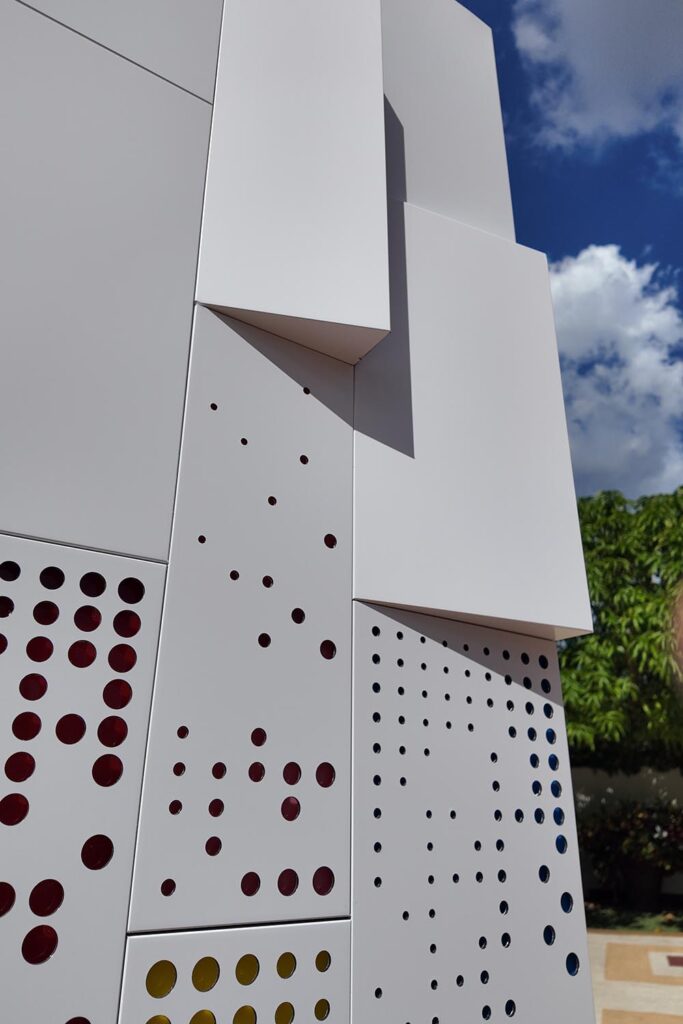
The exterior of a building is the first thing people see, and it immediately shapes perception. A thoughtfully designed exterior conveys professionalism, warmth, luxury, innovation, or simplicity, depending on the intended message. In residential projects, a well-designed exterior creates a sense of welcome and pride. In commercial settings, it can influence customer trust, brand perception, and foot traffic.
Interior spaces, on the other hand, determine how people feel once they enter. An inviting, well-organized interior can make guests feel comfortable, employees feel motivated, and clients feel confident. Poor interior design can cause discomfort, confusion, or even stress, regardless of how impressive the exterior may be.
A good designer understands that first impressions are not just visual but emotional. They design spaces that instantly communicate purpose and create positive emotional responses.
Enhancing Functionality and Efficiency
One of the most important contributions of a skilled interior and exterior designer is functionality. Design is not merely decoration; it is problem-solving. A good interior designer analyzes how a space will be used and designs accordingly. This includes optimizing layouts for movement, maximizing storage, improving lighting efficiency, and ensuring that furniture and fixtures support daily activities.
In offices, thoughtful interior design can improve workflow, collaboration, and productivity. In homes, it can make daily routines smoother and more enjoyable. In retail or hospitality environments, it can guide customer flow and enhance the overall experience.
Exterior designers also prioritize functionality. They consider how people approach and move around a building, how outdoor spaces are used, and how the structure responds to environmental factors such as sunlight, wind, and rain. Proper exterior design improves accessibility, safety, and long-term performance.
Increasing Property Value
Well-designed interiors and exteriors significantly increase property value. Real estate markets consistently show that properties with professional design attract more buyers and command higher prices. A visually appealing exterior improves curb appeal, which is one of the strongest factors influencing buyer interest. Inside, cohesive design, quality materials, and efficient layouts make properties more desirable and competitive.
For commercial properties, good design can lead to higher rental rates, better tenant retention, and stronger brand identity. Businesses are more likely to invest in spaces that reflect quality and professionalism, and customers are more likely to return to places where they feel comfortable and inspired.
Design is not an expense; it is an investment with measurable returns.
Creating Emotional Connection and Well-Being
Spaces have a profound impact on human emotions and mental health. Interior designers carefully select colors, textures, lighting, and spatial arrangements to influence mood and well-being. Natural light, balanced proportions, and harmonious color schemes can reduce stress and increase comfort. Thoughtful design can make a small space feel open, a busy space feel calm, and a private space feel safe.
Exterior design also contributes to emotional well-being. Access to outdoor areas, green spaces, and visually pleasing surroundings can improve mental health and quality of life. A well-designed exterior encourages people to engage with their environment, spend time outdoors, and feel connected to nature and community.
A good designer understands that design is deeply human. It is about how people feel in a space, not just how it looks in photographs.
Reflecting Identity and Brand
Interior and exterior design are powerful tools for self-expression and branding. In residential projects, design reflects the homeowner’s personality, values, and lifestyle. A good designer listens carefully to the client’s needs and translates them into a cohesive visual language.
In commercial environments, design communicates brand identity. The choice of materials, colors, lighting, and spatial organization can reinforce a company’s values and mission. A modern, minimalist design may convey innovation and efficiency, while a warm, textured interior may communicate comfort and authenticity.
Exterior design plays a critical role in brand visibility. A distinctive façade or entrance can make a business instantly recognizable and memorable. Consistency between interior and exterior design strengthens brand credibility and trust.
Technical Expertise and Problem Solving
Professional designers bring technical knowledge that goes far beyond aesthetics. They understand building codes, safety regulations, material performance, and construction processes. This expertise helps prevent costly mistakes, delays, and compliance issues.
Interior designers ensure that lighting plans meet functional requirements, materials are durable and appropriate, and spaces comply with safety standards. Exterior designers select materials that withstand weather conditions, manage drainage, and ensure structural longevity.
Good designers anticipate challenges and solve problems before they arise. Their experience allows them to balance creativity with practicality, ensuring that the final result is both beautiful and feasible.
Sustainability and Environmental Responsibility
Sustainability has become a central concern in modern design. Skilled interior and exterior designers play a vital role in reducing environmental impact. They select eco-friendly materials, energy-efficient lighting, and sustainable construction methods. Exterior designers consider landscaping strategies that conserve water, reduce heat absorption, and support local ecosystems.
Interior designers can improve indoor air quality, reduce waste, and promote energy efficiency through smart design choices. Sustainable design not only benefits the environment but also reduces long-term operating costs and improves occupant health.
A good designer understands that responsible design is not a trend but a necessity.
Collaboration and Cohesion
One of the greatest strengths of a good interior and exterior designer is their ability to collaborate. They work closely with architects, engineers, contractors, and clients to ensure that every aspect of the project aligns with the overall vision.
When interior and exterior design are approached as a unified process, the result is a cohesive environment where transitions feel natural and intentional. Materials, colors, and forms flow seamlessly from outside to inside, creating a strong sense of identity and harmony.
This level of cohesion is difficult to achieve without professional guidance.
Saving Time, Money, and Stress
While hiring a professional designer may seem like an added cost, it often saves time and money in the long run. Designers help clients avoid costly mistakes, such as poor material choices, inefficient layouts, or incompatible styles. They manage details, coordinate suppliers, and oversee design decisions, reducing stress and uncertainty.
Their industry connections can also lead to better pricing, reliable contractors, and access to quality materials. Most importantly, designers help clients make confident decisions, streamlining the entire process.
Conclusion
The importance of a good interior and exterior designer cannot be overstated. Design shapes how we experience the world around us, influencing our comfort, productivity, emotions, and perceptions. A skilled designer brings vision, expertise, and empathy to every project, transforming spaces into meaningful environments that serve both functional and emotional needs.
From creating strong first impressions and increasing property value to improving well-being and sustainability, interior and exterior designers play a critical role in shaping modern life. Their work is not just about making spaces look good; it is about making them work better for the people who use them.
In an increasingly complex and fast-paced world, investing in good design is an investment in quality of life, long-term value, and lasting impact.
No responses yet