
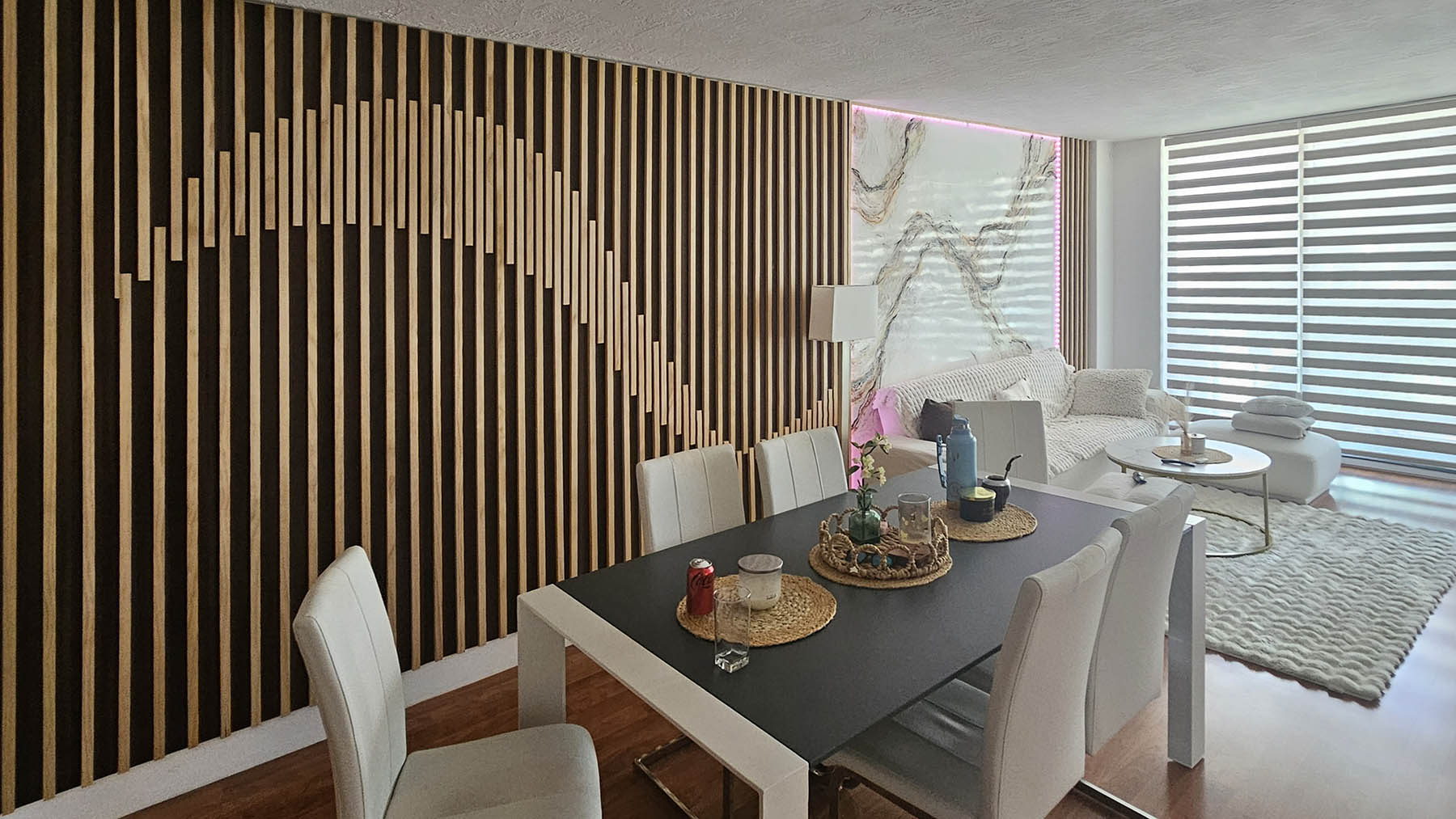
Interior Designer Your Complete Guide: Hiring an interior designer can transform your home, office, or commercial space into a stunning, functional environment that reflects your style. Yet, many people feel uncertain about the process. Whether it’s choosing the right professional, understanding the cost, or knowing what to expect, questions abound. This article addresses the most common questions potential clients ask when searching for an interior designer and provides clear, insightful answers.
What Does an Interior Designer Do?
An interior designer is a professional who plans, researches, coordinates, and manages the design of interior spaces. Unlike interior decorators, designers focus not only on aesthetics but also on functionality, safety, and structural considerations. They work with clients to create spaces that meet their lifestyle, taste, and needs while adhering to building codes and regulations.
Key responsibilities of an interior designer include:
- Space planning and layout design
- Selection of furniture, lighting, flooring, and materials
- Coordination with contractors and vendors
- Creating detailed design drawings and 3D renderings
- Budget management and project scheduling
If you’re looking for a complete transformation, hiring an interior designer can ensure your space is both beautiful and practical.
How Do I Know If I Need an Interior Designer?
People often wonder whether hiring a designer is necessary. Some signs you may need a professional include:
- You are moving into a new home or office and want a cohesive style
- Your current space feels cluttered, disorganized, or outdated
- You are planning a renovation and need expert guidance
- You want to maximize small or unusual spaces
- You need help selecting furniture, materials, or colors that complement your lifestyle
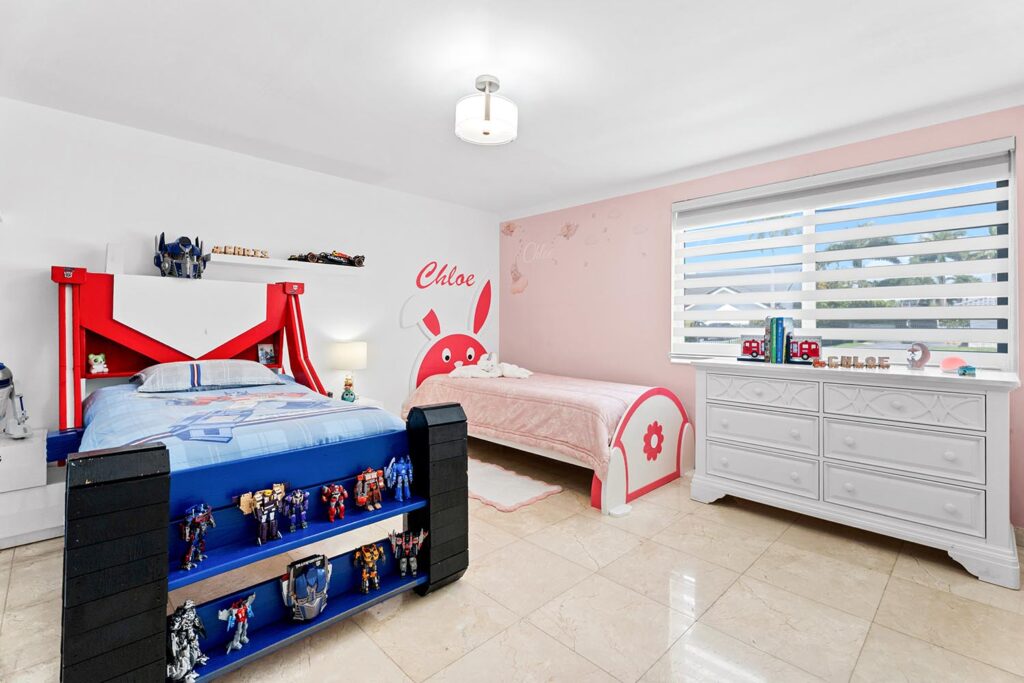
If any of these scenarios resonate, an interior designer can save time, reduce stress, and prevent costly mistakes.
How Much Does an Interior Designer Cost?
Cost is one of the most common concerns for clients. Interior designers typically charge in three ways:
- Hourly Rate: Designers may charge anywhere from $50 to $500 per hour, depending on experience and location.
- Flat Fee: Some designers offer a fixed fee for the entire project, which may be based on square footage or the project’s complexity.
- Percentage of Budget: Many designers charge 10–30% of your total project budget, including materials and furnishings.
Remember, investing in a professional designer often saves money in the long run by preventing design mistakes and ensuring high-quality selections.
How Do I Choose the Right Interior Designer?
Selecting the right interior designer is crucial to your project’s success. Consider these factors:
- Experience and Portfolio: Review previous work to ensure their style aligns with yours.
- Credentials: Look for certifications like NCIDQ (National Council for Interior Design Qualification) or memberships in professional associations.
- Client Reviews: Check online testimonials or ask for references.
- Communication Style: Your designer should listen carefully to your needs and communicate clearly.
- Budget Compatibility: Make sure their pricing structure fits your financial plan.
Take your time interviewing multiple designers and discussing your vision before making a decision.
What’s the Difference Between an Interior Designer and an Interior Decorator?
While the terms are often used interchangeably, there is a significant difference:
- Interior Designer: Focuses on architecture, spatial planning, building codes, and functionality. They can handle renovations and structural changes.
- Interior Decorator: Focuses solely on aesthetics—choosing paint, furniture, and decor—but does not address structural or functional issues.
If your project involves remodeling or space optimization, an interior designer is the better choice.
How Long Does an Interior Design Project Take?
The timeline for an interior design project varies widely based on scope, size, and complexity. Typical timeframes include:
- Small Room Makeover: 2–6 weeks
- Whole Home Interior Design: 3–6 months
- Commercial Projects: 6–12 months, sometimes longer depending on construction and approvals
A good designer will provide a detailed project timeline with milestones and deadlines.
Can Interior Designers Work With Any Budget?
Yes, interior designers can work with a wide range of budgets. Experienced professionals are skilled at maximizing resources to achieve a polished look. Strategies include:
- Prioritizing high-impact areas or statement pieces
- Mixing high-end items with affordable alternatives
- Sourcing second-hand or refurbished furniture
- Suggesting cost-effective materials without compromising quality
Open communication about your budget ensures that your designer can create a realistic plan.
What Should I Expect During the First Meeting?
The first meeting with an interior designer is crucial for setting expectations. Typically, it includes:
- Discussing your style preferences and goals
- Reviewing the space and taking measurements
- Talking about budget, timeline, and project scope
- Evaluating potential challenges or limitations
- Determining whether the designer is a good fit for your needs
Many designers offer an initial consultation, sometimes free, to understand your project before formalizing the contract.
How Much Input Do I Have in the Design Process?
Most interior designers encourage client collaboration. Your input is essential in:
- Selecting colors, furniture, and materials
- Determining functional needs and lifestyle requirements
- Reviewing floor plans and 3D renderings
- Approving final designs before purchasing or installation
The balance between professional guidance and personal preference is key to a successful project.
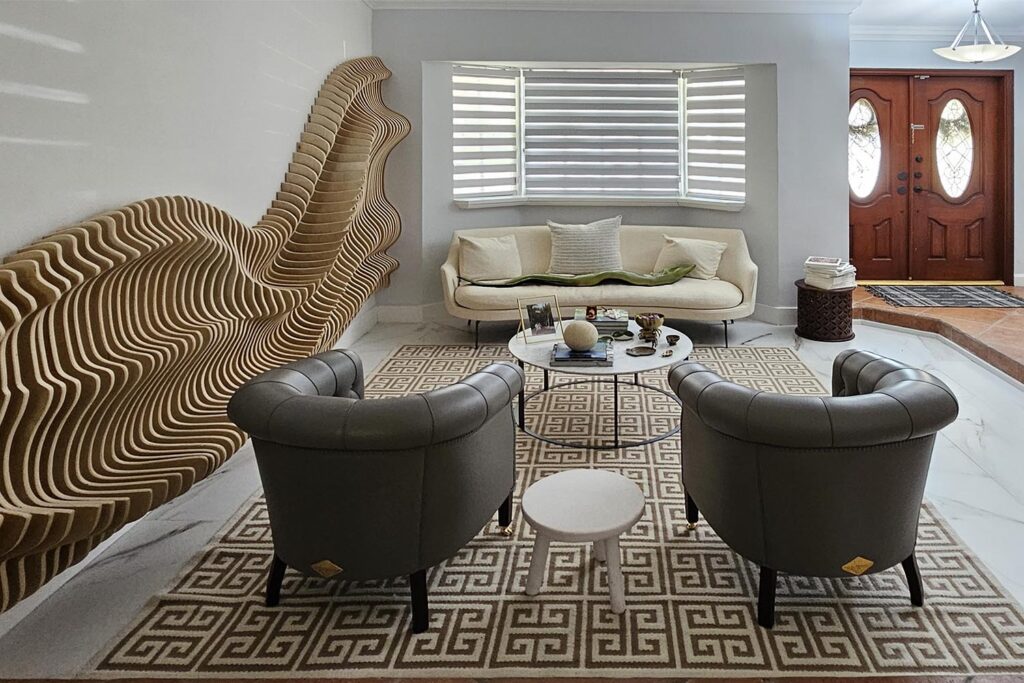
Can Interior Designers Handle Renovations?
Absolutely. Many interior designers have experience with renovation projects. They can:
- Coordinate with contractors and subcontractors
- Ensure compliance with building codes and permits
- Select finishes and materials compatible with construction
- Manage timelines and budgets
- Provide expert advice on structural changes, lighting, and space planning
Hiring a designer for renovations reduces stress and increases the likelihood of a seamless result.
How Do Interior Designers Source Furniture and Materials?
Interior designers have access to exclusive showrooms, suppliers, and trade-only vendors. They often:
- Source unique or custom pieces unavailable to the public
- Negotiate better pricing and delivery terms
- Ensure materials meet safety, durability, and aesthetic standards
- Coordinate delivery, installation, and assembly
This network saves clients time, effort, and sometimes money.
Do Interior Designers Provide 3D Renderings or Mood Boards?
Yes. Most professional designers create visual representations of their plans, which can include:
- Mood Boards: Collages that show color schemes, textures, and furniture ideas
- 3D Renderings: Detailed digital models of the space to visualize the final design
- Floor Plans: Scaled drawings to plan furniture placement and traffic flow
These tools help clients understand the design concept before implementation.
What Styles Can an Interior Designer Create?
Interior designers are versatile and can work with any style, including:
- Modern or contemporary
- Minimalist
- Traditional
- Industrial
- Scandinavian
- Bohemian
- Eclectic
- Mid-century modern
Most designers can mix styles or adapt to your preferences while maintaining balance and cohesion.
How Do Interior Designers Charge for Their Services?
As mentioned earlier, designers may charge hourly, flat fees, or a percentage of the project. Additional costs can include:
- Consultation fees
- Travel expenses
- Project management fees
- Specialty sourcing or custom furniture
Always clarify the payment structure in your contract to avoid surprises.
Are Interior Designers Worth the Investment?
Hiring an interior designer is an investment in your home’s comfort, functionality, and aesthetic appeal. Benefits include:
- Time savings by avoiding trial-and-error
- Access to professional knowledge and design expertise
- Increased property value through well-executed design
- Stress reduction and project management support
- Creative solutions that reflect your personality and lifestyle
For many homeowners and business owners, the value far outweighs the cost.
How Do I Prepare My Space for a Designer?
To make the most of your designer’s time:
- Clear clutter and make the space accessible
- Gather inspiration images, color swatches, or furniture ideas
- Prepare a list of your needs and priorities
- Set a realistic budget and timeline
- Be open to suggestions and professional guidance
Preparation helps your designer understand your vision and deliver the best possible results.
How Do I Communicate Effectively With My Designer?
Good communication is key to a successful project. Tips include:
- Be clear about your goals, likes, and dislikes
- Share images or examples that reflect your style
- Ask questions if something is unclear
- Provide timely feedback on proposals and decisions
- Respect the designer’s expertise and recommendations
This ensures a collaborative process and a final design you’ll love.
Can Interior Designers Work Remotely?
Yes. Many designers offer remote or virtual services, especially for clients in other cities or countries. Remote services may include:
- Online consultations via video call
- Digital mood boards and 3D renderings
- E-commerce guidance for furniture and material selection
- Project management through cloud-based tools
Virtual design allows for flexibility without compromising professional quality.
How Do I Hire an Interior Designer?
Steps to hire an interior designer:
- Research local designers online and review portfolios
- Schedule consultations to discuss your project
- Compare pricing, services, and styles
- Check references and reviews
- Sign a contract outlining scope, budget, and timeline
- Collaborate and provide feedback throughout the project
Hiring a designer is a partnership, so choose someone you trust and feel comfortable working with.
Conclusion
Hiring an interior designer can seem daunting at first, but understanding the process and asking the right questions ensures a smooth experience. From determining costs to selecting styles, sourcing materials, and managing renovations, interior designers bring expertise that transforms your vision into reality. Whether you’re redesigning a single room, your entire home, or a commercial space, working with a professional ensures that your project is functional, aesthetically pleasing, and reflective of your unique style.
By addressing common questions and understanding the value of professional guidance, you can make confident decisions and enjoy a space that truly feels like yours.
No responses yet