
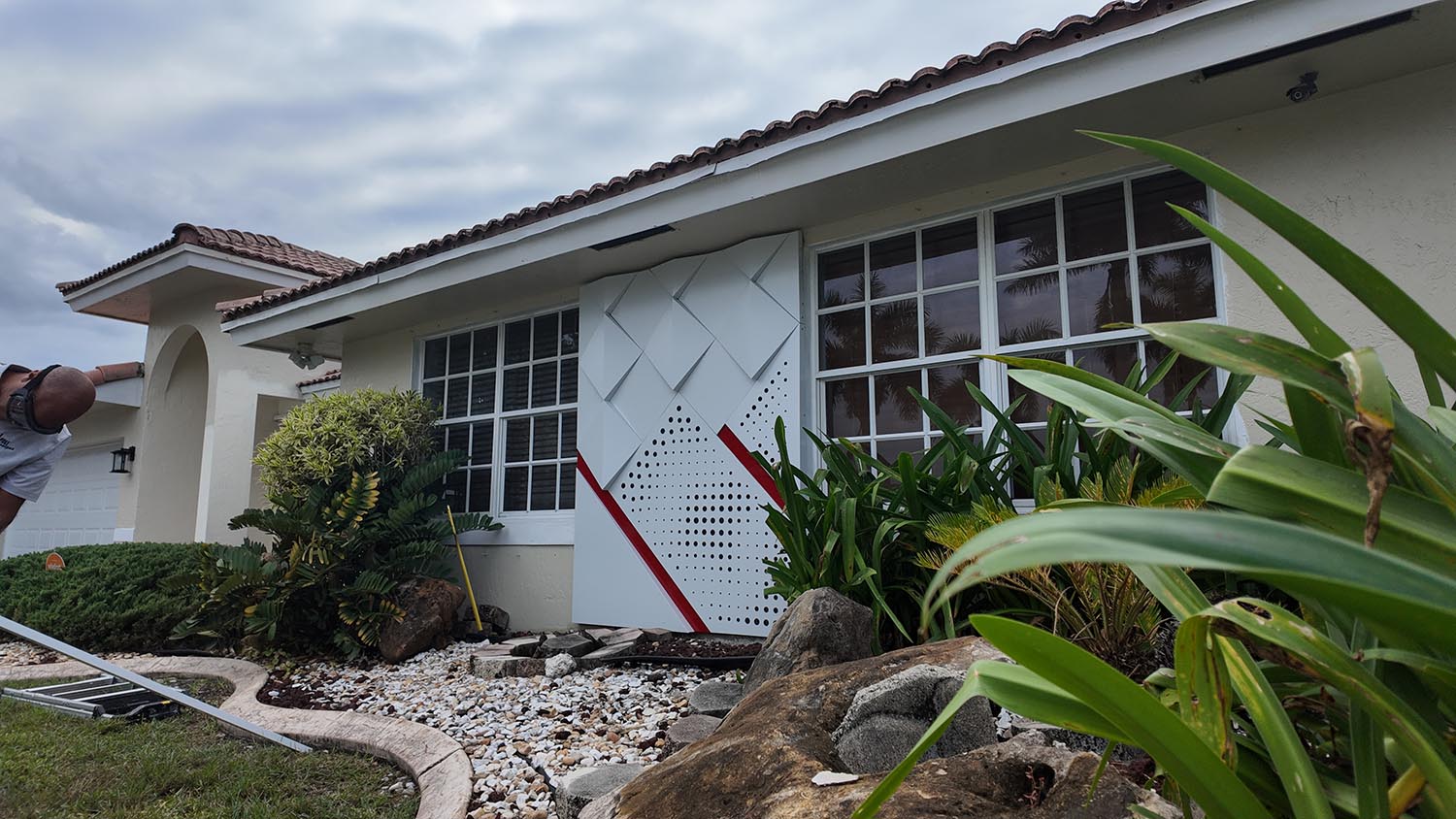
Exterior design plays a critical role in how a building looks, performs, and ages over time. Whether it’s a residential home, a commercial property, or an industrial structure, the exterior is the first impression—and often the most enduring one. In recent years, aluminum cladding has become one of the most searched and requested materials in exterior design due to its durability, aesthetics, and versatility.
This article answers the most common questions users ask when searching for exterior design solutions, with a strong focus on aluminum cladding, its benefits, applications, costs, and long-term value.
What Is Exterior Design?
Exterior design refers to the planning, styling, and construction of the outer appearance of a building. It includes both aesthetic and functional elements such as:
- Facades and wall finishes
- Roofing and soffits
- Doors and windows
- Outdoor lighting
- Architectural accents
- Exterior materials like stone, wood, glass, and aluminum
A well-designed exterior not only enhances curb appeal but also improves energy efficiency, weather resistance, and property value.
Why Is Exterior Design So Important?
Users often ask why they should invest in exterior design instead of focusing only on interiors. The reasons are clear:
- First impressions matter: The exterior defines how people perceive a property.
- Protection from the elements: Quality materials protect against sun, rain, wind, and corrosion.
- Energy efficiency: Smart exterior systems can reduce heating and cooling costs.
- Property value: A modern, durable exterior increases resale value.
- Brand identity: For commercial buildings, exterior design communicates professionalism and trust.
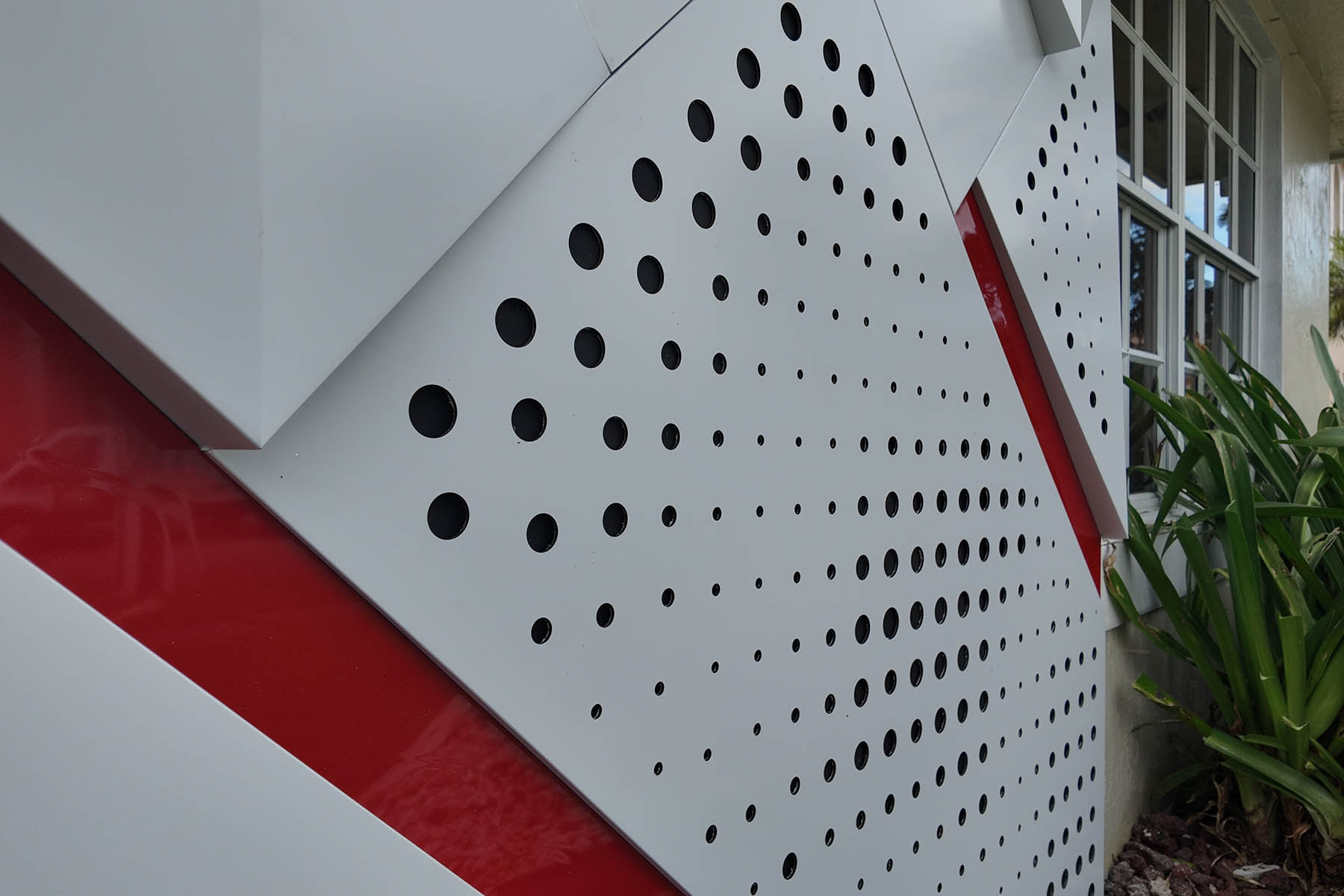
What Is Aluminum Cladding?
Aluminum cladding is an exterior covering system made from aluminum panels or composite sheets installed over a building’s structural walls. It acts as a protective skin while also serving as a major design element.
Aluminum cladding is commonly used in:
- Residential homes
- Commercial buildings
- Office complexes
- Retail storefronts
- Industrial facilities
It is especially popular in modern and contemporary architecture.
Why Is Aluminum Cladding So Popular in Exterior Design?
Search trends show a sharp rise in queries like “aluminum cladding exterior,” “aluminum facade panels,” and “modern aluminum exterior.” This popularity is driven by several advantages:
Durability
Aluminum is resistant to rust, corrosion, moisture, and UV damage. Unlike wood, it doesn’t rot or warp. Unlike steel, it doesn’t rust.
Lightweight but Strong
Aluminum provides structural strength without adding excessive weight, making it ideal for both new construction and renovations.
Low Maintenance
Aluminum cladding requires minimal upkeep—no repainting, sealing, or special treatments.
Modern Aesthetic
Clean lines, smooth finishes, and customizable colors make aluminum perfect for sleek, modern exteriors.
Sustainability
Aluminum is 100% recyclable, making it an environmentally responsible choice.
What Types of Aluminum Cladding Are Available?
Users often ask what kinds of aluminum cladding exist. The most common types include:
Aluminum Composite Panels (ACP)
Made of two aluminum sheets bonded to a core, ACP panels are lightweight, flat, and widely used in commercial facades.
Solid Aluminum Panels
Thicker and more rigid, ideal for high-end architectural projects.
Perforated Aluminum Panels
Used for decorative facades, shading systems, and ventilation.
Textured or Wood-Grain Aluminum
Offers the look of wood with the durability of metal.
Each option serves different design and functional goals.
6. Is Aluminum Cladding Good for Residential Homes?
Absolutely. Homeowners increasingly choose aluminum cladding for:
- Modern house facades
- Accent walls
- Second-story exteriors
- Garage surrounds
- Entry features
It provides a contemporary look while protecting the home from weather damage and reducing long-term maintenance costs.
Is Aluminum Cladding Suitable for Commercial Buildings?
Aluminum cladding is one of the most popular materials for commercial exterior design because it:
- Enhances brand image
- Allows large-scale uniform facades
- Meets fire and safety regulations
- Performs well in high-traffic urban environments
- Offers long-term cost efficiency
Retail stores, office buildings, hotels, and restaurants frequently use aluminum cladding to stand out visually.
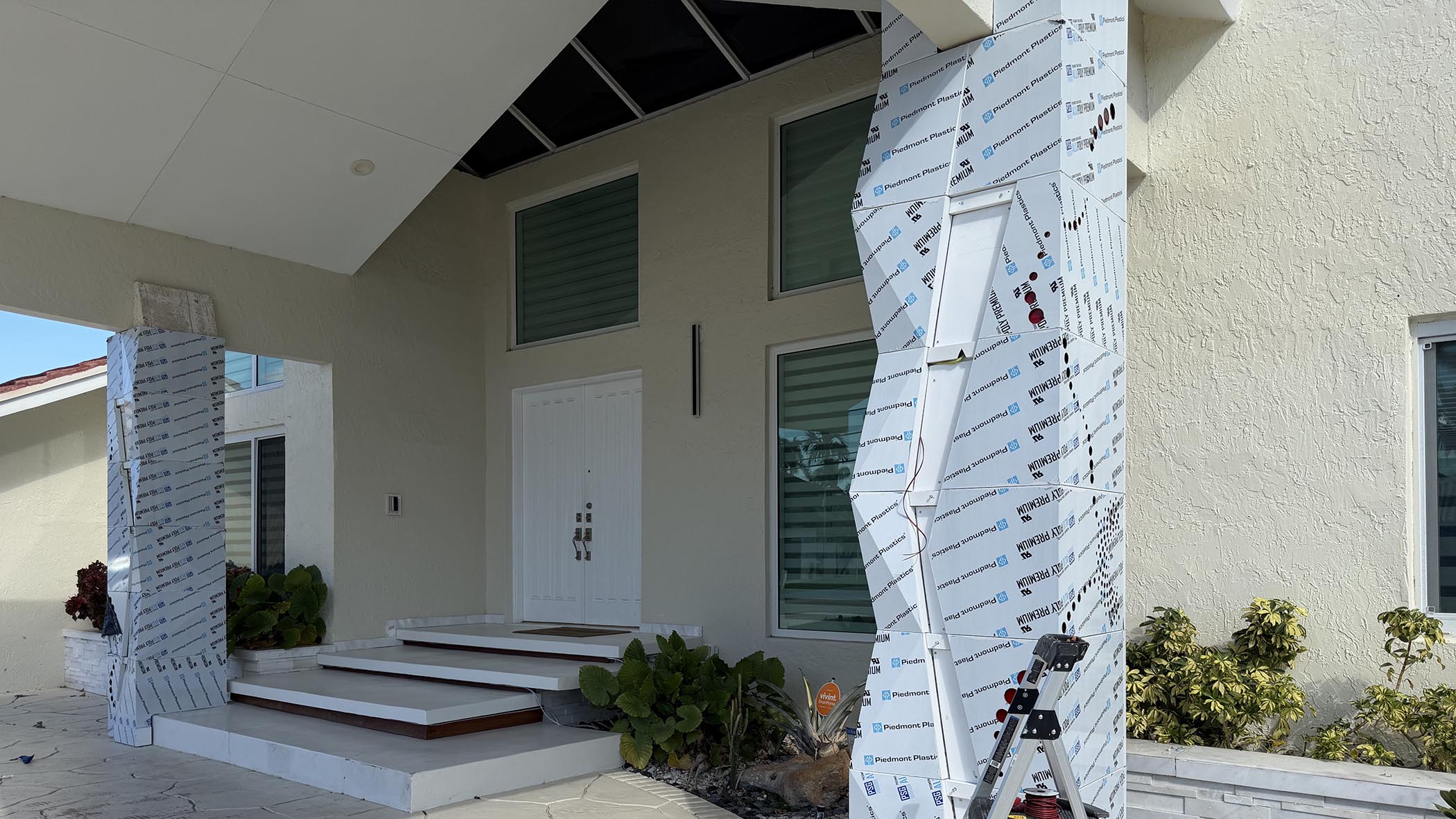
How Long Does Aluminum Cladding Last?
One of the top user concerns is longevity. High-quality aluminum cladding can last 40–50 years or more with minimal maintenance.
Its resistance to corrosion, fading, and impact makes it ideal for harsh climates, including coastal and high-humidity environments.
Is Aluminum Cladding Weather Resistant?
Yes. Aluminum cladding performs exceptionally well against:
- Heavy rain
- Strong winds
- Extreme heat
- UV radiation
- Salt air in coastal areas
This makes it a top choice for exterior design in demanding environments.
Is Aluminum Cladding Fire Resistant?
Fire safety is a critical search intent. Aluminum itself is non-combustible. Many aluminum cladding systems are designed to meet strict fire-resistance standards when installed correctly and paired with fire-rated cores.
Always ensure compliance with local building codes and regulations.
How Much Does Aluminum Cladding Cost?
Cost is one of the most searched questions. Prices vary depending on:
- Type of aluminum panel
- Thickness and finish
- Installation complexity
- Project size
On average, aluminum cladding can range from $15 to $40 per square foot installed, depending on the project scope.
While initial costs may be higher than traditional materials, long-term savings in maintenance and durability often outweigh the upfront investment.
Is Aluminum Cladding Energy Efficient?
Yes. Aluminum cladding systems often include:
- Insulated backing
- Ventilated facades
- Thermal barriers
These features improve insulation, reduce heat transfer, and help lower energy bills—especially in hot climates.
Can Aluminum Cladding Be Customized?
Customization is one of aluminum’s strongest advantages. It can be:
- Cut into custom shapes
- Finished in any color
- Printed or textured
- Combined with glass, wood, or stone
This allows architects and designers complete creative freedom.
How Is Aluminum Cladding Installed?
Installation typically involves:
- Preparing the exterior wall
- Installing a subframe or support system
- Adding insulation or air gaps
- Mounting aluminum panels
- Sealing joints and edges
Professional installation is crucial for performance and longevity.
How Does Aluminum Cladding Compare to Other Materials?
Aluminum vs. Wood
- Aluminum: low maintenance, long lifespan
- Wood: high maintenance, natural look
Aluminum vs. Vinyl
- Aluminum: stronger, more premium appearance
- Vinyl: cheaper, less durable
Aluminum vs. Stone
- Aluminum: lightweight, modern
- Stone: heavy, expensive, traditional
Aluminum offers the best balance of performance, aesthetics, and cost-efficiency.
Is Aluminum Cladding Environmentally Friendly?
Yes. Aluminum is one of the most recyclable building materials in the world. Recycling aluminum uses only a fraction of the energy required to produce new material.
Sustainable architecture increasingly favors aluminum for this reason.
Does Aluminum Cladding Increase Property Value?
A modern aluminum-clad exterior can significantly boost property value by:
- Improving curb appeal
- Reducing future maintenance costs
- Enhancing energy efficiency
- Creating a high-end architectural look
Buyers and investors recognize aluminum cladding as a premium exterior solution.
What Design Styles Work Best with Aluminum Cladding?
Aluminum cladding works beautifully with:
- Modern architecture
- Minimalist design
- Industrial style
- Contemporary commercial buildings
- Futuristic facades
It can also be blended with traditional materials for contrast.
How Do I Maintain Aluminum Cladding?
Maintenance is simple and typically includes:
- Occasional washing with water and mild detergent
- Visual inspections for dents or fasteners
- Cleaning pollutants in urban areas
No repainting or sealing is usually required.
Is Aluminum Cladding Worth It?
For most users searching exterior design solutions, the answer is yes. Aluminum cladding offers:
- Long-term durability
- Modern aesthetics
- Energy efficiency
- Low maintenance
- Sustainability
It is an investment that pays off in performance, appearance, and peace of mind.
Conclusion
Exterior design is no longer just about looks—it’s about performance, sustainability, and longevity. Aluminum cladding has emerged as one of the most effective and desirable solutions for modern exteriors, whether residential or commercial.
By combining strength, flexibility, and contemporary style, aluminum cladding meets the real intentions behind user searches: durability, value, and design excellence. For anyone planning an exterior renovation or new construction, aluminum cladding stands out as a smart, future-proof choice.
No responses yet